
Choose the question closest to your project. Our cost guides explain what changes a quote and how to compare it. Your own price needs an agreed scope and a look at the surfaces.
Hiring and project planning
Define the work, compare the same scope and plan around the way you use your home.
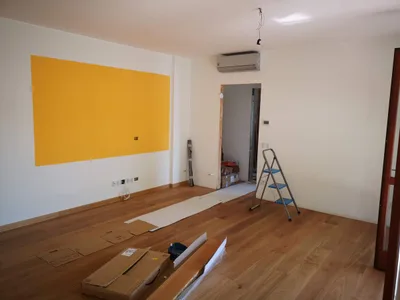
Interior painting cost in Dundalk
Compare interior painting quotes in Dundalk by rooms, surfaces, preparation and materials, with an itemised scope worksheet and Irish context.
Read the guide ↗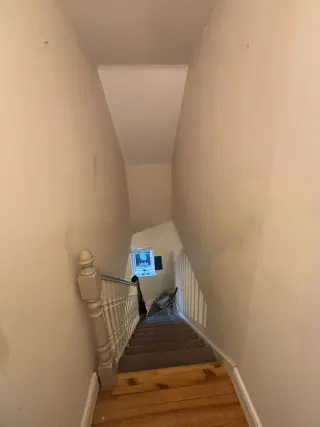
How long does interior painting take?
Plan interior painting around preparation, recoating and room handback. Compare occupied-home sequences, whole-house work and practical phases.
Read the guide ↗Preparing your home for painters
Prepare your home for painters with clear furniture, access and belongings arrangements, including a practical checklist for flats and apartments.
Read the guide ↗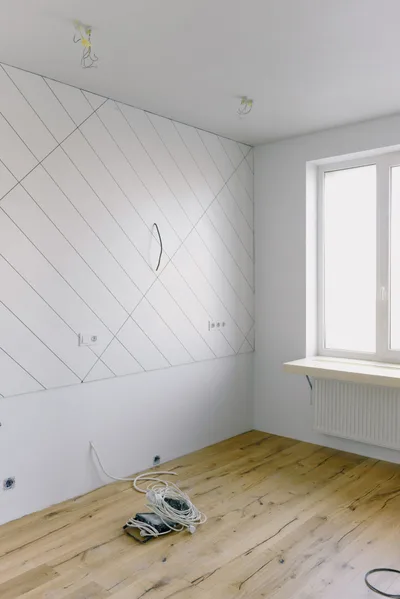
Painting before moving into a house
Plan painting before moving in, from confirmed keys and trade dependencies to furniture delivery, handback and a practical fallback scope.
Read the guide ↗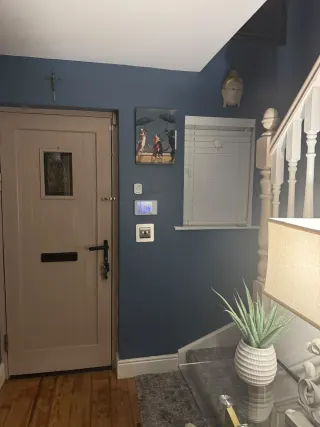
Repainting a rental between tenancies
Plan a rental repaint between tenancies with condition records, clear surface inclusions, finish choices and relevant Irish tenancy guidance.
Read the guide ↗
How to choose a painter in Dundalk
Choose a painter in Dundalk by comparing written scope, relevant work, access arrangements and terms, with questions to clarify before booking.
Read the guide ↗
DIY painting or hiring a painter?
Compare DIY painting with hiring a painter using surface condition, access, tools, time and a clear boundary for any shared preparation work.
Read the guide ↗What to repaint before selling your home
Decide what to repaint before selling your home using visible condition, a coherent colour scheme and a budget separate from resale promises.
Read the guide ↗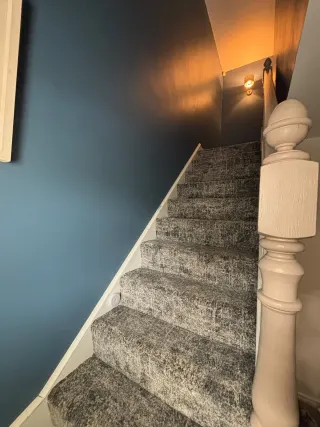
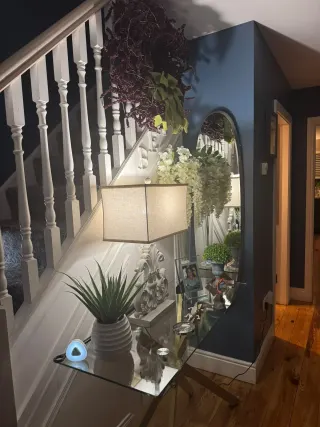
Planning a hall, stairs and landing repaint
Plan a hall, stairs and landing repaint with a surface list, safe access questions and everyday movement, informed by approved project photos.
Read the guide ↗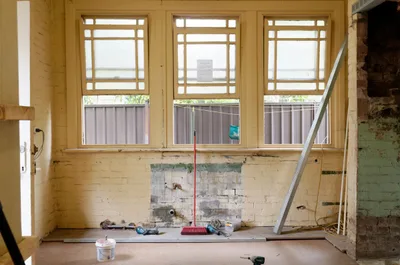
When should painting happen in a renovation?
Place painting in a renovation programme by checking plaster, flooring and other trade dependencies, protection and the final finishing scope.
Read the guide ↗Preparation and surface problems
Identify the starting surface, investigate recurring defects and plan a suitable preparation sequence.

Painting new plaster
Choose a painting system for new plaster using the actual background and product instructions, with contrasting first-coat examples and checks.
Read the guide ↗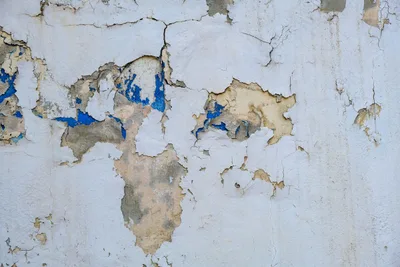
Why interior paint peels or flakes
Understand peeling and bubbling interior paint through its location, history and background, with clear routes to assessment before repainting.
Read the guide ↗Painting over water stains
Plan repainting over a water stain after its cause is resolved. Separate active moisture, background repairs and suitable stain-blocking systems.
Read the guide ↗Mould and damp before repainting
Understand why damp and mould need assessment before repainting, with Irish guidance, moisture questions and clear limits on what paint can do.
Read the guide ↗
Cracks in walls: fill or investigate first?
Decide when wall cracks need investigation before filling, with a history worksheet and a clear boundary between decoration and structural repair.
Read the guide ↗
Primer versus undercoat
Understand primer and undercoat roles through actual product examples, substrate compatibility and a checklist for choosing the complete system.
Read the guide ↗Painting over dark walls with a lighter colour
Plan a dark-to-light wall colour change with sound preparation, opacity checks and samples, without assuming a universal primer or coat count.
Read the guide ↗Painting after wallpaper removal
Assess walls after wallpaper removal, including adhesive, damaged paper and repairs, before choosing a compatible preparation and painting system.
Read the guide ↗Paint over wallpaper or remove it first?
Compare painting over wallpaper with removal using adhesion, seams, layers and texture, plus the limits of a retained-paper coating system.
Read the guide ↗Paint drying time versus curing time
Understand touch dry, recoatable and fully cured paint, then plan furniture, room use and cleaning around the actual coating specifications.
Read the guide ↗How much paint do you need? Room and fence measurement worksheet
Estimate room and fence paint using measured area and actual product coverage, with worked examples for walls, ceilings and both fence faces.
Read the guide ↗Preparing walls for painting
Prepare walls by assessing the background, cleaning residues, repairs and primer needs, with a specific guide to grease and sugar-soap residues.
Read the guide ↗Painting walls: a complete preparation-to-finish workflow
Follow wall painting from readiness checks through cutting in, rolling, recoating and handback, with a decision table for patchiness and marks.
Read the guide ↗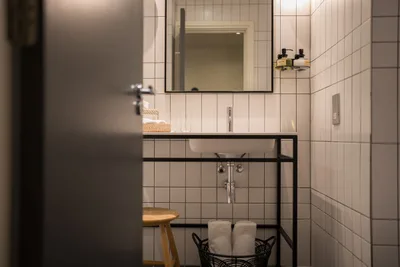
Bathroom paint: moisture, finish choice and peeling ceilings
Choose bathroom wall and ceiling paint after assessing moisture and peeling, with product-specific finish, preparation and aftercare checks.
Read the guide ↗Woodwork and coating choices
Work through doors, skirting and stair details, from the old coating to the finish and handback.
What affects the cost of painting woodwork?
Compare the doors, frames, skirting and preparation in a woodwork painting quote, with a practical inventory for your Dundalk enquiry.
Read the guide ↗Why does white woodwork paint turn yellow?
Work out whether white woodwork is yellowing, dirty or stained, and what to check before cleaning or planning a compatible repaint.
Read the guide ↗Painting doors and skirting: preparation to finished coating
Plan a doors and skirting repaint from condition checks to finish coats, including old gloss, chipped edges, hardware and drying.
Read the guide ↗Painting banisters, spindles and staircase woodwork
Plan handrails, spindles and staircase woodwork around safe household access, coating choice and drying in an occupied home.
Read the guide ↗Satin, eggshell or gloss for woodwork?
Compare satin, eggshell and gloss for doors, skirting and trim, with a sample checklist and clear checks for product performance.
Read the guide ↗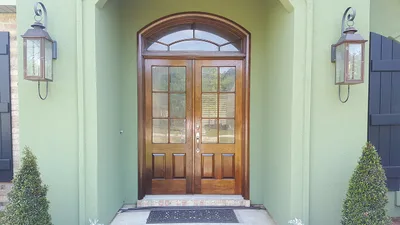
Painting over varnished wood
Check varnish condition, opacity and primer compatibility before painting wood, with a practical test-area record for doors and trim.
Read the guide ↗Painting radiators and pipework
Educational guidance on radiator and pipework coating checks, cool surfaces, protection and heating restart, with plumbing kept separate.
Read the guide ↗Water-based versus oil-based paint
Compare water-based and oil-based trim paints by drying, yellowing, clean-up and compatibility, using named systems rather than blanket rules.
Read the guide ↗Exterior painting
Compare costs, surfaces, weather windows and the condition of the existing coating.
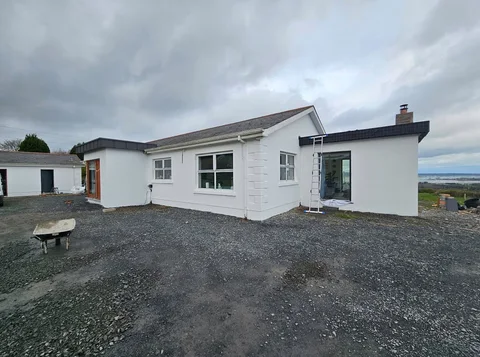
Exterior painting cost in Dundalk
Compare exterior painting scopes in Dundalk by elevation, texture, preparation and access, including partial versus complete repaints.
Read the guide ↗
What exterior painting preparation includes
Understand exterior preparation from substrate checks and cleaning to loose paint, repair responsibilities and the specified coating system.
Read the guide ↗Flaking exterior paint: investigate or repaint?
Use the location and pattern of flaking exterior paint to decide what needs assessment before preparation, repairs and recoating.
Read the guide ↗Painting pebbledash and render
Compare painting pebbledash and render, including surface checks, texture, coverage and the questions that make an exterior scope clear.
Read the guide ↗
Weather conditions for exterior painting
Plan exterior painting around product limits, surface dryness, rain, dew and drying stages, with a practical weather-window checklist.
Read the guide ↗Choosing masonry paint for Irish homes
Choose masonry paint for the actual render, existing coating and exposure, with a technical-sheet checklist for Irish exterior projects.
Read the guide ↗Planning exterior house colours
Plan exterior house colours around roof, windows and permanent materials, then test samples outdoors and coordinate doors and boundaries.
Read the guide ↗Painting a garden or boundary wall
Check masonry, coping, moisture and access before painting a garden or boundary wall, with repair and ownership responsibilities kept clear.
Read the guide ↗Planning a wooden front-door repaint
Plan a wooden front-door repaint around timber condition, exterior coatings, hardware, security and drying, with clear scope boundaries.
Read the guide ↗
Painting exterior woodwork
Plan exterior woodwork by timber detail, previous coating and exposure, including pressure-treated timber and previously painted sills.
Read the guide ↗When does an exterior need repainting?
Decide when an exterior needs repainting from visible wear, exposure and recurring defects, with a practical condition-led maintenance record.
Read the guide ↗Existing panelling and design
Plan proportions and a painted finish, with materials, fitting and decoration kept clear.
Wall panelling costs: materials, fitting and painting explained
Separate wall panelling materials, fitting and painting costs, compare Irish kit examples and define an existing-panelling repaint enquiry.
Read the guide ↗Why do painted panelling joints crack?
Understand where panelling joints crack, what to record and when assessment is needed before repainting. Paint cannot cure every cause of movement.
Read the guide ↗Planning wall-panelling spacing and height
Plan wall-panelling spacing and height with worked dimensions, an elevation diagram and checks around doors, sockets, radiators and stairs.
Read the guide ↗Wall panelling styles compared
Compare framed, shaker, tongue-and-groove and slatted panelling. Assess room proportions, materials and the painted finish beside existing trim.
Read the guide ↗Hallway and stair panelling ideas
Plan hallway and stair panelling around pitch, switches, doors and usable width. Compare layout transitions and coordinate the painted finish.
Read the guide ↗
Planning a bedroom panelling feature wall
Plan a bedroom panelling wall around the bed, lights and sockets. Use worked dimensions and a furniture-led worksheet before deciding the finish.
Read the guide ↗Priming and painting MDF panelling
Plan painting for existing MDF panelling: identify material, assess edges, choose compatible coatings and clarify the handover from fitting.
Read the guide ↗Fence painting
Assess the timber, compare finishes and colours, and understand the complete repainting process.

Fence painting cost in Dundalk
Compare fence painting scopes in Dundalk by length, height, faces, rails, preparation and access, with a practical enquiry checklist.
Read the guide ↗Painting a fence: preparation, application and aftercare
Plan fence painting from timber and old-treatment checks to preparation, tools, coats and aftercare, including rough and planed boards.
Read the guide ↗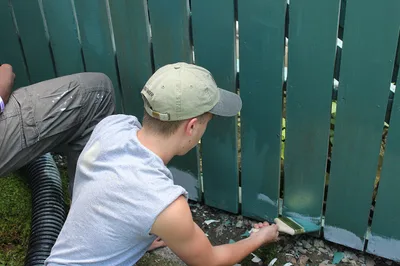
Fence paint colours for your garden
Choose fence paint colours beside house walls, planting and paving, with sample checks for actual light, opacity and existing treatment.
Read the guide ↗Fence paint versus stain
Compare fence paint and stain by opacity, grain, surface restrictions, previous treatment and maintenance, with clear service boundaries.
Read the guide ↗Why fence paint peels: what to check before recoating
Check the pattern and cause of peeling fence paint before deciding on local preparation, wider recoating or timber assessment.
Read the guide ↗Colour and room decisions
Compare real samples with the light, fixed materials and everyday use of each room.

Choosing paint colours with samples
Choose paint colours with fixed materials, physical samples and real room lighting. Use a practical shortlist and record the final specification.
Read the guide ↗Paint colours for north-facing rooms
Compare paint colours for north-facing rooms using actual daylight, furnishings and evening lamps, without relying on one guaranteed shade.
Read the guide ↗
Paint colours for small rooms
Compare light, contrast, furniture and colour boundaries in small rooms. Test pale, tonal and stronger schemes in the room you actually use.
Read the guide ↗Planning living-room paint colours
Choose living-room paint colours around the sofa, floor and fireplace. Compare practical palettes, feature walls and whole-room colour schemes.
Read the guide ↗Choosing bedroom paint colours
Choose bedroom paint colours with the bed, curtains, storage and evening lights in view. Compare samples and plan the surfaces to repaint.
Read the guide ↗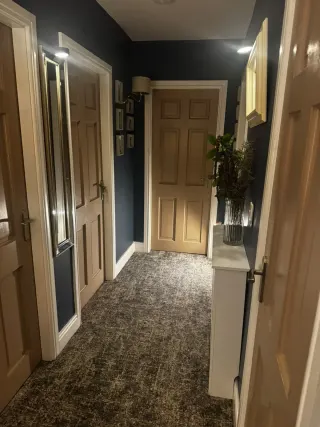


Paint colours for halls, stairs and landings
Plan colours for halls, stairs and landings with a route-based sample test. Coordinate doors, panels, retained timber and adjoining rooms.
Read the guide ↗Kitchen wall colours and existing cabinets
Choose kitchen wall colours around cabinets, worktops, tiles and flooring that stay. Compare samples and keep wall painting scope clear.
Read the guide ↗Washable matt or eggshell for walls?
Compare washable matt and eggshell for walls using named product examples, sheen, cleaning needs and room conditions, beyond finish names.
Read the guide ↗Painting ceilings: preparation, paint choice and application
Plan ceiling painting around surface condition, paint choice, preparation and safe access. Compare ceiling and wall coatings and work order.
Read the guide ↗Colour drenching: walls, ceiling and trim
Plan colour drenching across walls, ceiling and trim. Compare one-colour and tonal schemes with suitable coatings for each actual surface.
Read the guide ↗Cleaning painted walls and deciding when to touch up
Clean painted walls gently, check curing and assess scuffs. Decide when a touch-up is realistic and when a complete wall repaint makes sense.
Read the guide ↗Low-VOC paint, odour and room ventilation
Understand low-VOC paint labels, odour and ventilation. Plan room use from actual product guidance without a universal return-after-painting time.
Read the guide ↗Bathroom paint colours and fixed tiles
Choose bathroom paint colours around fixed tiles, fixtures and lighting. Compare restrained and stronger schemes separately from moisture problems.
Read the guide ↗Planning a shop or office repaint?
Use the business premises planning guide to prepare the scope, access and operating programme. Suitability for the particular work needs confirming before a booking.
Have a project in mind?
Send a wide view of the room or elevation, close-ups of any problem areas and your area. You can begin the conversation before choosing a colour.
Ready to talk about your home?
Send a few photos, your area and what you have in mind. We can discuss the scope and whether a visit is needed for a quote.