6 minute read · Woodwork and coating choices
Varnished wood can often be painted when the existing clear finish is sound, the surface is properly cleaned and the new coating system is compatible. Decide first whether you want to hide the grain with opaque paint. Then assess the varnish, the underlying timber and any wax, polish or stain that may affect the result.
A shiny surface is not automatically sound. Nor does every varnished door need stripping back to bare wood. This guide helps you choose the right starting branch before using the complete doors and skirting repaint workflow for application and handback.
Inspect the varnish and substrate
Check broad faces, edges, joints and contact areas. Is the clear coating firm or is it lifting? Does the timber look sound beneath it? Is the surface actually solid timber, a thin veneer, a laminate or a factory finish? These differences affect what preparation is appropriate and how much disturbance the surface can tolerate.
Look for a history of furniture polish or wax, particularly on handrails and doors near living areas. A surface that looks clean can still carry residues. Do not assume that a stronger abrasive will solve contamination. Cleaning and identifying the old treatment come first; unresolved residues can undermine a primer as readily as a topcoat.
| Starting condition | Decision before paint | Why it matters |
|---|---|---|
| Sound, known varnish on sound timber | Assess cleaning and a compatible bonding system | Retaining a sound layer may be practical |
| Peeling or cracked varnish | Establish the extent and cause of failure | New paint cannot hold a detached layer down |
| Waxed or polished surface | Identify and resolve the treatment | Adhesion can remain uncertain after superficial cleaning |
| Thin veneer or laminate | Identify the material and permitted preparation | Aggressive preparation may damage the face |
| Water staining or softened timber | Find the source and repair responsibility | Opaque paint can conceal a continuing problem |
Unknown older coatings require assessment before mechanical disturbance. This includes clear finishes with an uncertain history or painted layers hidden beneath later work. Do not use this article as a stripping or hazardous coating removal procedure.

Decide on the intended opacity
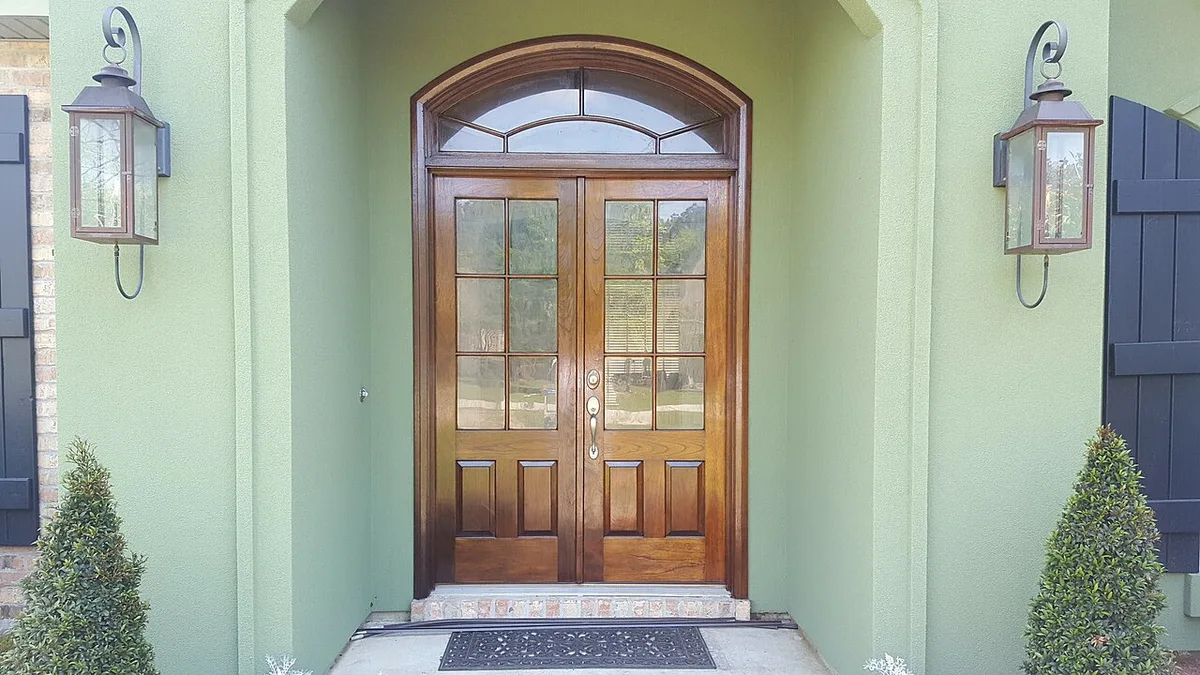
Opaque paint hides the existing colour and most visible grain pattern, although raised grain and physical texture can remain. A pale finish over dark stained wood may need a specific stain-blocking or isolating system. A translucent stain or fresh varnish is a different outcome and should not be assumed to be included in a painting enquiry.
Think about how much of the existing timber you want to keep visible. Painting a whole staircase is a larger visual commitment than painting a single door face. You might prefer painted spindles with a retained timber rail, but that introduces a precise boundary and may require separate treatment of the rail. It is a design option to assess, not a promised refinishing service.
Consider adjoining pieces too. An opaque door beside a varnished frame can work, but a sample should show the relationship. If the intention is a consistent painted opening, include the frame, architraves and relevant edges explicitly. Do not assume that the quoted door count includes all the surrounding joinery.
Check preparation and product compatibility
The Zinsser Bulls Eye 1-2-3 information describes adhesion to glossy surfaces for that primer. The manufacturer's glossy and slick surface guide discusses a specified preparation and coating approach. Neither is a universal permission to paint over a dirty or failing clear finish.
Choose the primer for the actual problem. Adhesion to a sound clear layer and blocking tannin or stain migration are related but different requirements. If a pale sample develops brown marking, adding more of the same finish paint may not resolve the source. Confirm the appropriate isolating system with current technical support rather than collecting unrelated primers.
Preparation may involve retaining, keying or removing parts of an existing finish according to its condition and the system. There is no automatic requirement to strip every surface, and no automatic right to skip preparation because a tin says "bonding primer". Keep the safest suitable approach tied to the identified material.
The selected topcoat must also be suitable for the intended use. Hand contact on a rail is different from a picture rail, and an interior coating is not automatically suitable outside. If you are choosing the appearance, compare woodwork sheens after deciding which systems suit the surface.
Agree a suitable test area
Use an inconspicuous but representative location. A test on an untouched flat face does not tell you much about a polished handrail or a water-stained lower edge. Include the intended cleaning, preparation, primer and topcoat, and let each stage reach the specified condition before judging it.
A useful test record says what was used, where it was applied and what question it addresses. Is the new coating adhering? Does staining come through? Is the final opacity acceptable? Does the texture look right? Agree the assessment method and timing with the product guidance. A fresh film that looks good after an hour is not proof of long-term performance.
In a hypothetical hall, a homeowner wants pale painted doors but a retained varnished stair rail. The doors are sound except for a polished area beside each handle. A representative door test should include that contact zone. The rail should remain outside the opaque painting scope unless a separate treatment is agreed. This avoids testing the easiest area and then changing the whole visual brief mid-job.
- Identify varnish, substrate and any known polish or wax.
- Record defects and repair dependencies.
- State the desired opaque or translucent outcome.
- Agree the compatible complete system and representative test area.
- Confirm the final inventory and protected retained timber.
- Keep product and colour details after the work.
For interior painting in Dundalk and nearby areas, photos are a practical starting point. They can show the intended change and visible wear; they cannot establish adhesion or identify every previous treatment. A visit may be needed before the preparation scope can be settled.
Practical questions
Will opaque paint remove the visible grain texture?
It hides the underlying colour more than the physical surface. Raised grain, grooves, joints and imperfections can remain visible after painting. Test a representative area and discuss the achievable preparation before expecting a smooth manufactured appearance from textured or worn timber.
Can a bonding primer go over furniture polish?
Do not assume so. Identify and resolve contamination according to the chosen system before relying on adhesion claims. A primer designed for glossy surfaces is not automatically approved over wax or polish residue. Include a representative contact area in the compatibility assessment rather than testing only an untouched face.
Is a test patch enough to approve every piece of woodwork?
Only if it represents the relevant conditions, and even then it has limits. One door may have different contamination, varnish or repairs from another. Record those differences and test or assess separate branches where necessary. An attractive patch does not certify every hidden layer throughout the home.
Interior painting: discuss your surfaces and scope. Contact the team with your area and photographs.