
6 minute read · Hiring and project planning
Prepare your home for painters by agreeing access and responsibilities first, then clearing the belongings you can safely move. Do not begin sanding, filling or washing walls unless that work has been agreed. The aim is to make the rooms accessible while keeping surface preparation within the planned scope.
For interior work in Dundalk and nearby areas, wide photos and a room list help begin the conversation. Say what furniture is staying, which rooms must remain usable and whether you live in a flat. Photos are useful, but access or preparation may still need a visit.
Clearing and protecting each room
Start with small, personal and fragile belongings: pictures, ornaments, desk equipment and loose cables. Label items if they must return to particular positions. Photograph complicated shelf arrangements if that will help you put them back.
Empty shelving only where access to those surfaces forms part of the job. Show fitted units and full bookcases in your enquiry. Moving contents may take more planning than the wall painting itself, particularly if the only storage is another room due to be decorated.
Ask how curtains, blinds, brackets and wall fixings will be treated. Do not disconnect electrical fittings or alarms yourself. Agree whether hooks remain, holes are filled or positions are preserved. A fixing hole filled by mistake can make rehanging more difficult.
Protection belongs in the scope. Ask who supplies and places floor and furniture protection, how a usable route is maintained and what is cleared at handback. A generic checklist cannot confirm the business's arrangements for your job.
Furniture and access responsibilities
List heavy or awkward items, including wardrobes, beds, sofas and fitted furniture. State whether anything is fixed to a wall or floor. Do not assume a painting quote includes dismantling or moving items that need specialist handling.
A central furniture group might work in a large room and prevent safe access in a small one. Show room dimensions and furniture together. Avoid trying to make an unworkable room look cleared by stacking belongings across its only exit.
| Task | Responsibility to confirm | Detail needed |
|---|---|---|
| Small valuables | Household | Secure storage outside working rooms. |
| Heavy furniture | Agreed handler | Who moves it, where and when. |
| Curtains or blinds | Homeowner and painter | Removal and refitting arrangements. |
| Electrical fittings | Competent person | Whether disconnection is needed. |
| Floor protection | Homeowner and painter | Floor type and suitable arrangements. |
Pets, belongings and everyday circulation
Choose a secure place for pets away from working rooms and entrance activity. Explain which doors and gates must stay closed. Someone working across several rooms cannot be assumed to manage an unfamiliar pet at the same time.
Keep routes to the bathroom and exits clear. Mention mobility needs, working-from-home calls and essential access before arranging the room order. Keep medication, keys and everyday belongings outside rooms being cleared so you do not need to cross a working area to retrieve them.
If children are at home, agree which rooms are out of use. Tools, coatings and protective coverings need a work area separate from everyday play. Make this a household arrangement rather than an instruction someone discovers after work begins.
The pre-start checklist to agree
- Confirm rooms, ceilings, woodwork and exclusions.
- Confirm colours, finishes and who supplies materials.
- Identify known leaks, mould, damage or unusual old coatings.
- Agree furniture, curtains, fixings and protection responsibilities.
- Confirm keys, access, parking restrictions and a contact person.
- Agree room order and essential daily routes.
- Ask about handback and aftercare for selected coatings.
The SCSI homeowner checklist is a useful wider reference for clarifying work arrangements. If painting forms part of a renovation, the HSA homeowner guidance explains responsibilities for applicable construction projects. A painting enquiry does not appoint the painter to coordinate all other trades.
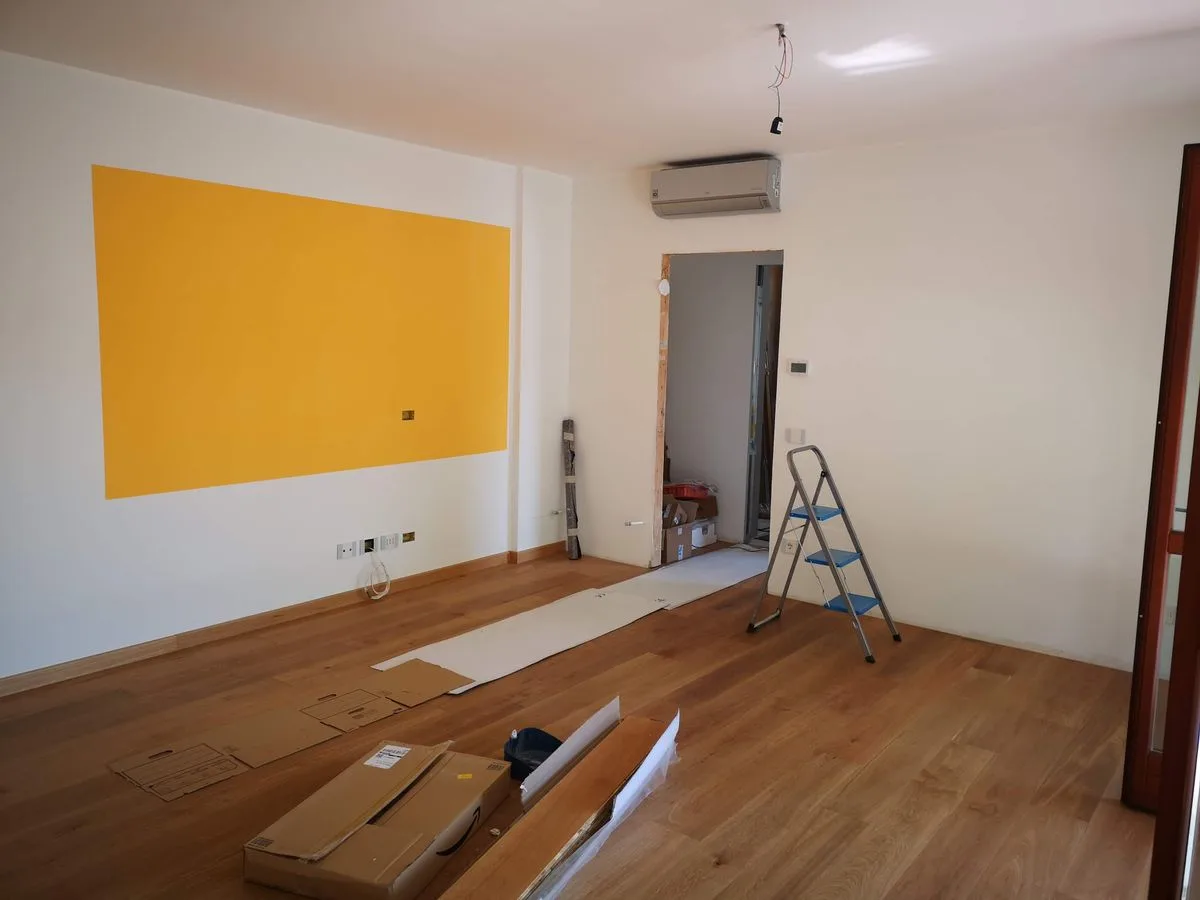
Preparing a flat: shared access, neighbours and management arrangements
Check building access and work arrangements
Ask the management company about working arrangements, lift use, parking, materials and deliveries. Read the building's actual rules. Tell the painter about booking requirements before settling dates. If you rent, confirm permission and responsibilities before changing decoration.
Plan rooms around furniture
A flat may have no spare room for temporary storage. Mark where furniture can safely go and what must remain usable. Avoid a sequence that moves bedroom contents into the only route through the sitting room.
Protection and shared spaces
Clarify how materials enter, where they can be stored and who arranges any agreed common-area protection. Do not leave deliveries or equipment in communal corridors or stairs. Shared access needs to remain available under the building arrangements.
Ventilation and handback questions
Explain how windows open and whether any room has limited ventilation. Ask about the chosen products' conditions and aftercare. Low odour alone does not establish a return-to-room time.
Hypothetical storage check: a two-bedroom flat stores belongings in its spare room while the sitting room is painted. Before the spare room starts, the sitting room needs agreed handback and those belongings need a safe destination. The plan is incomplete until the second move works as well as the first.
For the next decisions, see Preparing walls for painting, When should painting happen in a renovation?, Paint colours for small rooms. Our interior painting service in Dundalk explains the work you can enquire about.
Check the first morning before clearing the last items
Confirm which entrance is being used and where materials can safely be brought in. Keep the route free of boxes, loose shoes and delivery packaging. Agree access arrangements directly rather than leaving keys or entry instructions in an unsuitable place.
Walk the room list once more. Has a delivery filled a room that was meant to be empty? Has another repair started? Has a curtain fitting changed? Tell the painter about those changes before the original arrangements are assumed.
Keep one copy of the agreed scope and colour schedule available. That makes a final question about a door face or fixing position easier to resolve without reconstructing several earlier messages.
Questions about preparing your home
Must I move a wardrobe before painting?
Agree it first. Its size, fixing method, safe handling and the surfaces behind it all matter. Do not assume the painter dismantles furniture or that you should move it unsafely yourself. Show the item and room in photographs, then confirm who handles it and where it can go.
Should I wash the walls the night before?
Only if that preparation has been agreed and the background can become ready for the selected coating. Last-minute washing may leave moisture or cleaner residues. Explain what you planned to use and let the preparation responsibilities be settled before starting, particularly on fragile or unfamiliar finishes.
Can I stay at home during the work?
That depends on the scope, access and arrangements, not a blanket rule. Explain which rooms and routes you need and ask how the proposed stages affect them. Pets, mobility needs and working-from-home commitments belong in that discussion. Product and ventilation advice must also be considered for the actual work.
Interior painting: discuss your surfaces and scope. Contact the team with your area and photographs.